Starting budget meal planning can feel overwhelming — especially when prices at the grocery store keep climbing. Many beginners struggle with knowing what to buy, how to plan meals, and how to actually save money while eating well.
This guide breaks down simple, beginner-friendly steps to help you plan meals, cut food waste, and spend less without giving up flavor or variety.
Key Takeaways
- Plan meals weekly to control grocery costs.
- Use what you already have before shopping.
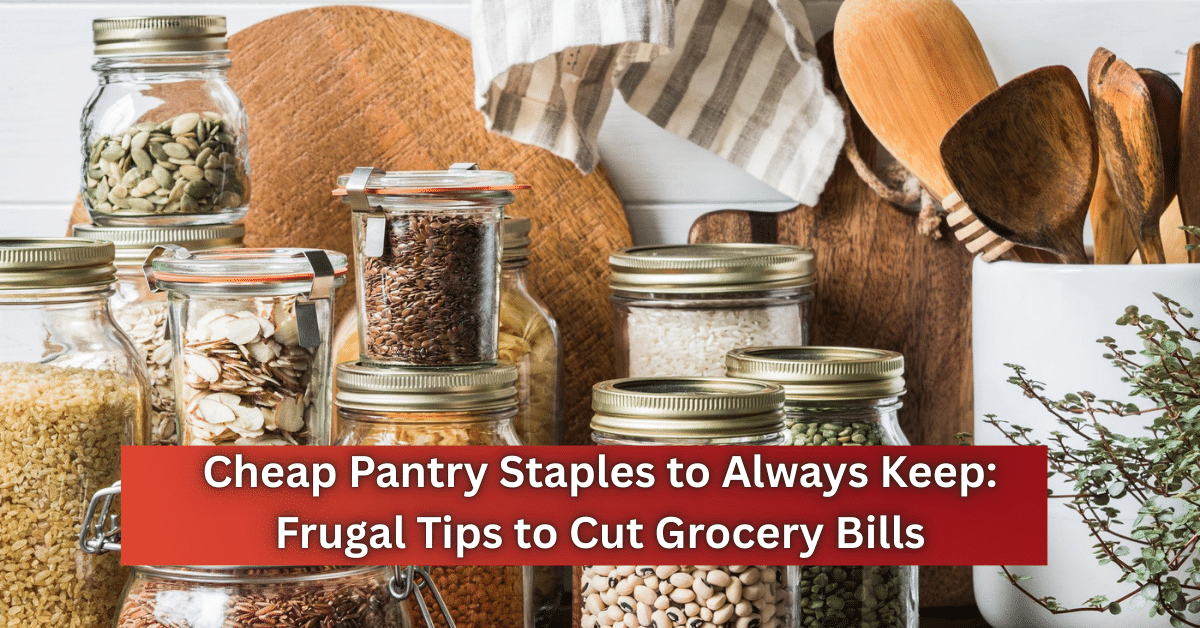
- Buy in bulk for pantry staples like rice or beans.
- Cook simple dishes that use affordable ingredients.
- Stick to your grocery list and track expenses.
- Prep in small steps to save time during the week.
- Combine with everyday save money hacks for maximum impact.
Why Budget Meal Planning Matters
Food costs make up a big part of your monthly spending. By planning your meals in advance, you can:
- Avoid impulsive grocery purchases
- Reduce food waste by using what you already have
- Stick to a weekly grocery budget
- Eat balanced meals without overspending
When you plan ahead, the stress of “What’s for dinner?” disappears — and so does that last-minute takeout bill.
How to Start Budget Meal Planning
Step 1 – Know Your Budget
Decide how much you can realistically spend on groceries each week. Write that number down and use it as your spending limit. Many people find that $50–$80 per week per person is a good starting point.
Step 2 – Check Your Pantry First
Before writing your grocery list, look through your fridge, freezer, and pantry. You’ll often find forgotten ingredients that can form the base of your next few meals.
Step 3 – Plan Simple Meals
Start with easy recipes like stir-fries, pasta dishes, soups, and casseroles. They use common ingredients and stretch your grocery dollars.
Tip: Pick 3–4 go-to recipes you can rotate weekly.
Step 4 – Write a Realistic Grocery List
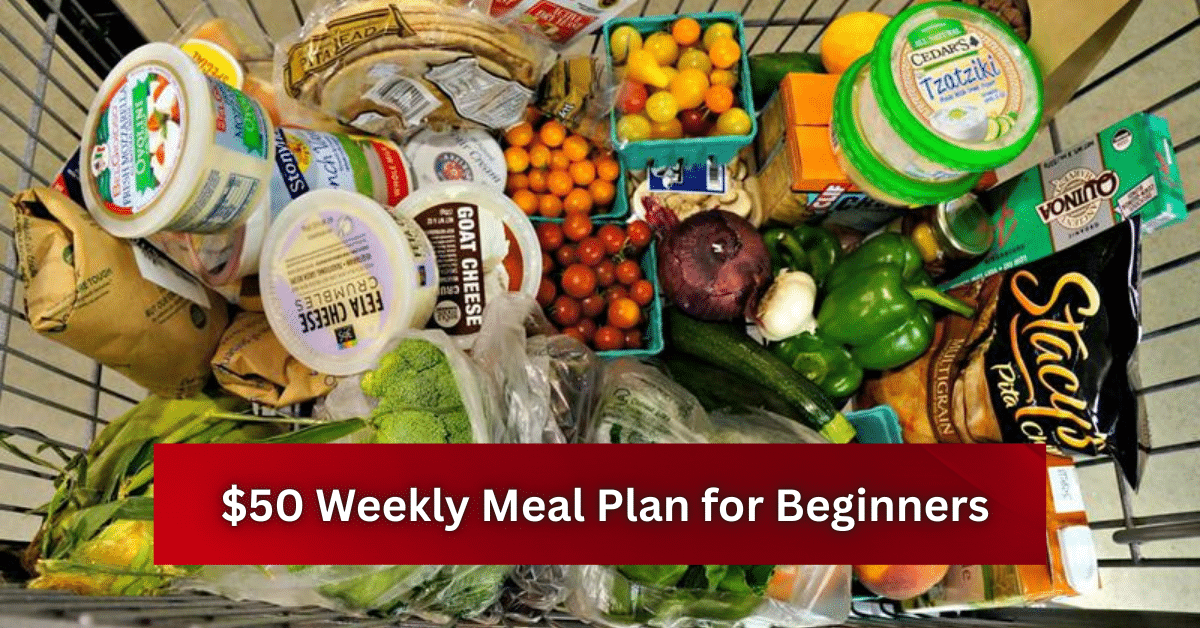
Group similar items together — produce, proteins, dry goods — so you can shop faster and avoid buying extras.
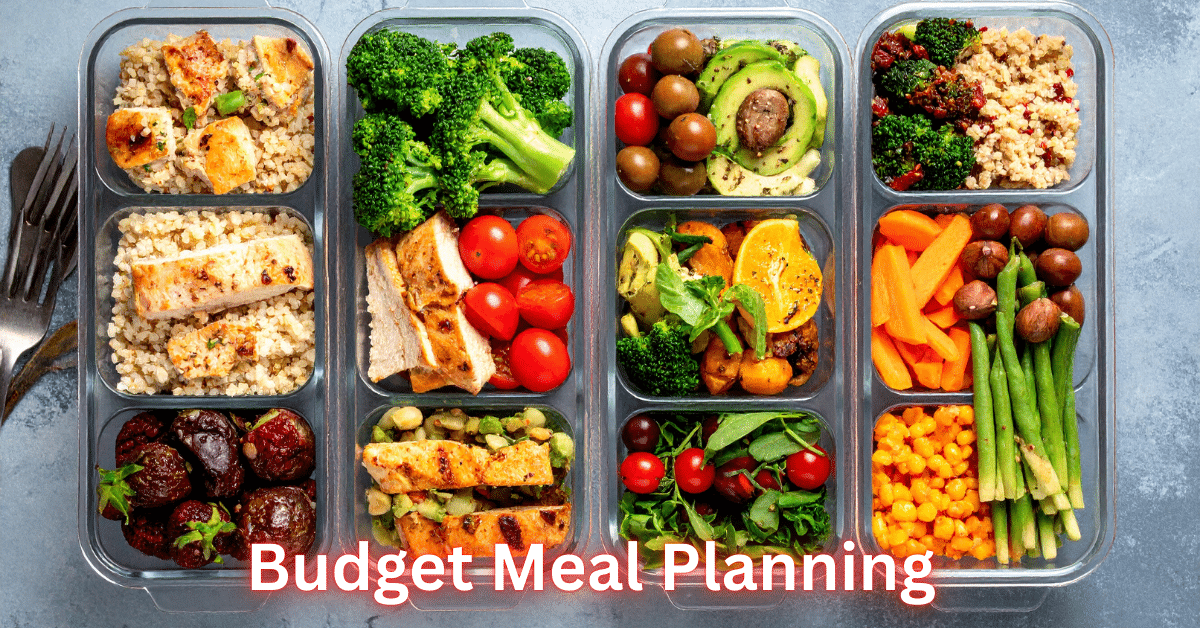
Step 5 – Prep Ahead When Possible
Meal prep doesn’t mean spending all Sunday cooking. Try chopping veggies or marinating proteins in advance. Small steps help you stick to your plan all week.
Smart Grocery Shopping Tips

Shop Seasonal and Store Brands
Seasonal fruits and vegetables are cheaper and fresher. Also, store-brand products usually cost less but taste just as good as big-name brands.
Compare Unit Prices
Look at the price per ounce or pound instead of the overall price. This helps you spot the best deals instantly. Check out more save money hacks like this.
Use Loyalty Programs & Coupons
Many grocery chains offer digital coupons and rewards that can save you $10–$20 a week — small savings that add up fast.
Don’t Shop Hungry
It sounds simple, but shopping on an empty stomach leads to expensive impulse buys. Have a light snack before grocery shopping to stay focused.
Easy Budget Meal Ideas
Start small with dishes you already know. Here are a few low-cost, beginner-friendly meals to try:
- Veggie stir-fry with rice or noodles
- Chicken and bean chili
- Baked potatoes with mixed veggies
- Egg fried rice or omelets
- One-pot pasta with tomato sauce
- Homemade soup with leftover vegetables
Each of these meals uses ingredients you can find cheaply — often under $2 per serving.
Staying Consistent with Your Plan
Budgeting works only if you can stick with it. Try these simple habits:
- Review your meal plan every Sunday.
- Keep track of grocery receipts to spot spending patterns.
- Freeze leftovers for quick lunches.
- Stay flexible — it’s okay to swap meals if plans change.
Consistency matters more than perfection. The goal is to make budget-friendly eating part of your lifestyle.
Frequently Asked Questions
Q1: How much can I save with budget meal planning?
A: Most people save anywhere from $50–$150 monthly depending on their current grocery habits and food waste.
Q2: Do I need to meal prep every day?
A: One-pot meals like soups, stews, or casseroles. They use fewer ingredients and less time to cook.
Q3: What’s the cheapest type of meal to start with?
A: One-pot meals like soups, stews, or casseroles. They use fewer ingredients and less time to cook.
Q4: How do I stop wasting food?
A: Plan meals around ingredients that need to be used soon, and freeze extras instead of tossing them.
Q5: Is it possible to meal plan for one person?
A: Yes. Cook 2–3 servings at once and store leftovers for lunches or dinners later in the week.