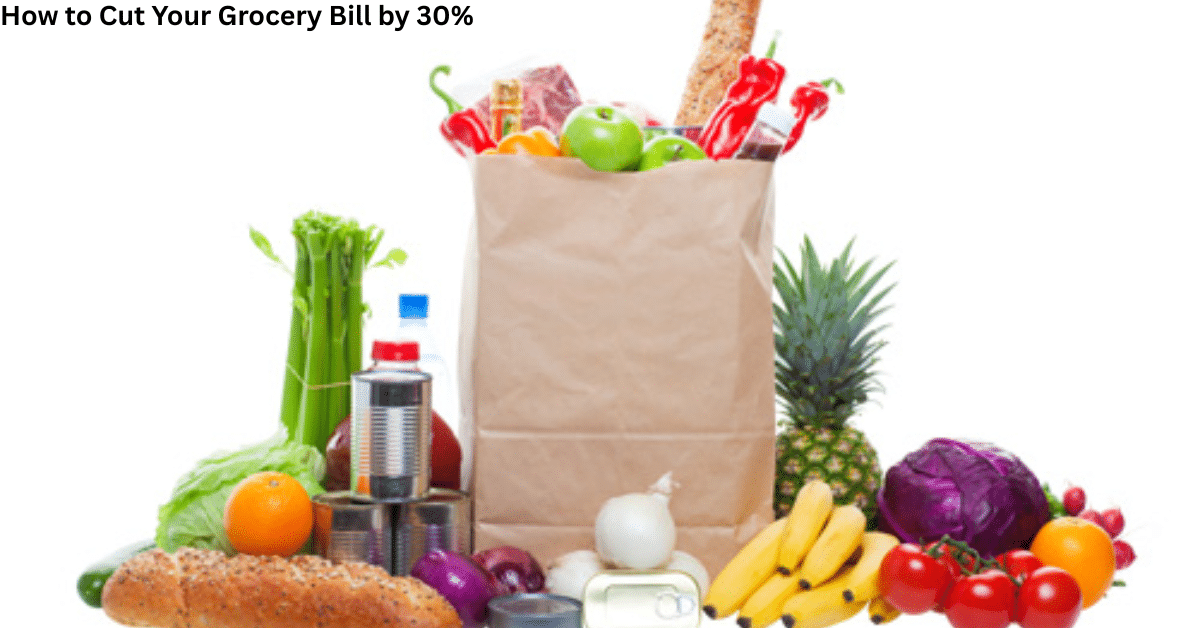
How to cut your grocery bill by 30% starts with small changes that add up fast. You can save hundreds each month without skipping meals or buying cheap junk food.Rising food prices hit everyone hard these days. This guide shows busy people like you simple steps to spend less on groceries while eating well. Read on for practical tips, real examples, and a plan that fits your life.
Key Highlights
- Make a shopping list before every trip to avoid impulse buys.
- Plan weekly meals around sales and what you already have.
- Buy store brands to get the same quality at half the price.
- Check unit prices on labels to spot real deals.
- Use loyalty apps for extra discounts and cash back.
- Freeze extras to cut food waste and stretch your budget further.
How to Cut Your Grocery Bill by 30% With Smart Planning
The first step to cut your grocery bill by 30% is planning ahead. Without a plan, you grab extras and overspend. Start by tracking what you buy each week.
Meal planning ideas save time and money. Pick five dinners based on what’s on sale. For example, if chicken is cheap, make stir-fry one night and soup the next. This uses one buy for two meals. Families save up to $100 a month this way.
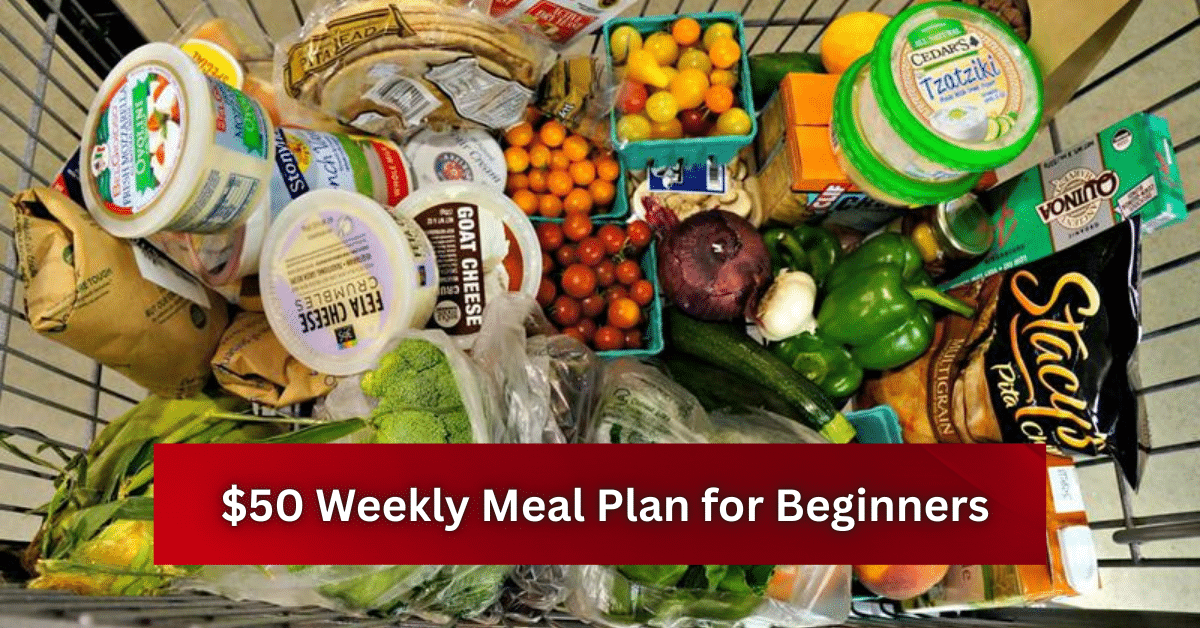
Write a smart shopping list on your phone. Group items by store aisle. Apps remind you to stick to it. One mom cut her bill from $200 to $140 weekly by doing this.
Build Your Weekly Meal Plan
Look at store flyers Sunday night. Choose recipes with overlapping items like rice or veggies. Budget meal prep on Sunday cuts weekday stress. Chop peppers for salads and tacos. Cook big batches of rice for the week.
Use leftovers smartly. Monday’s roast chicken becomes Tuesday’s wraps. This reduce food waste trick alone saves 20% for many homes.
Master Grocery Shopping Tips for Big Savings
Grocery shopping tips focus on timing and choices. Shop once a week max. More trips mean more temptations.
Check unit prices every time. A big cereal box might look pricey, but per ounce, it’s cheaper. Stores hide this to push small packs. Always compare.
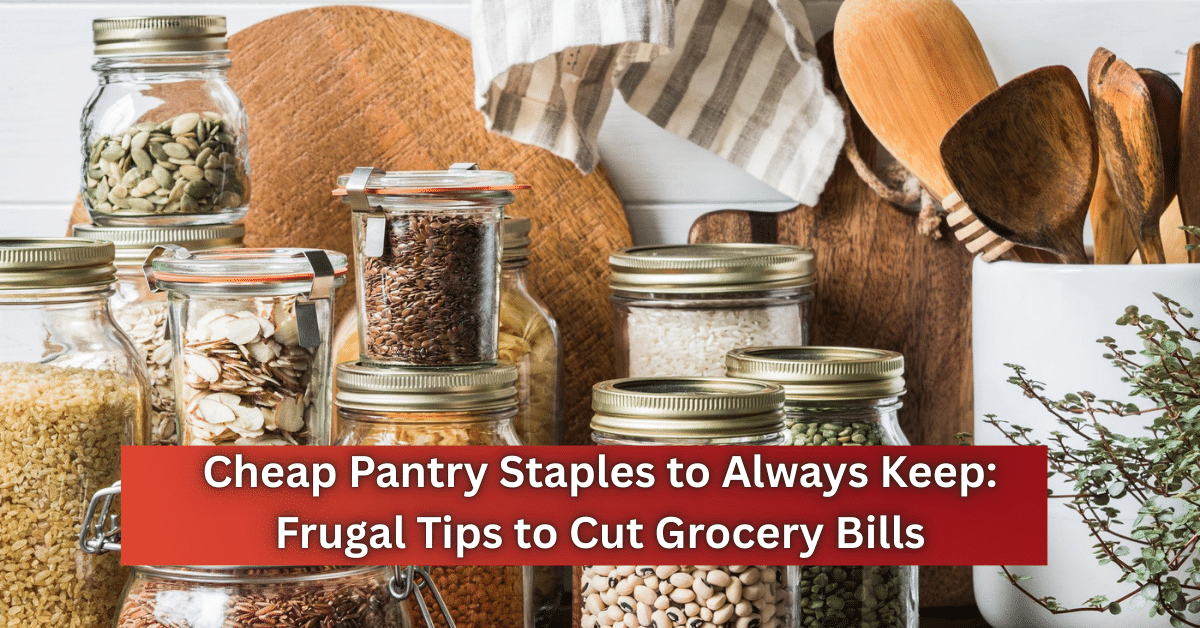
Go for buy in bulk on non-perishables. Rice, pasta, and canned beans last months. Split with a friend if space is tight. One couple saved $50 monthly on staples.
Pick Store Brands and Sales
Store loyalty rewards beat name brands. Generic ketchup tastes the same and costs less. Test one item at a time to build trust.
Hit weekly sales deals hard. Stock up on meat or dairy when prices drop. Freeze what you won’t use soon. A single dad froze 10 pounds of chicken at $1.99 per pound. It lasted two months.
Apps like AI meal planning tools scan flyers and match your list. They suggest swaps to save money on food without hassle.
Reduce Food Waste to Boost Savings
Tossed food is thrown money. Reduce food waste by storing right. Berries last longer in a paper towel-lined box. Herbs stay fresh in a glass of water.
Freeze bread before it molds. Bread ends make crumbs for meatloaf. One family tracked waste for a week, then fixed habits. They saved $30 monthly.
Meal planning ideas include using “use it up” nights. Make frittatas from veggies going soft. This turns trash into dinner.
Use Tech and Rewards for Extra Edge
Tech makes cutting costs easy. Best AI budgeting apps track spending and alert on deals. Scan receipts for cash back.
Store loyalty rewards add up. Sign up free for points on gas or future shops. Rotate cards to stack perks.
Shop perimeter first for fresh items. Processed foods in aisles cost more per serving. Consumer Reports notes this swaps add 15% savings. Pair with NerdWallet budgeting guide for full control.
| Savings Strategy | Weekly Cost Before | Weekly Cost After | Monthly Savings |
|---|---|---|---|
| Meal Planning | $200 | $150 | $200 |
| Store Brands | $180 | $130 | $200 |
| Bulk Buying | $190 | $140 | $200 |
| No Waste | $185 | $135 | $200 |
| All Combined | $220 | $154 | $264 (30% cut) |
Everyday Habits That Stack Savings
Cook from scratch more. Boxed mixes cost triple homemade. Pancake batter takes two minutes: flour, milk, egg.
Grow herbs on your windowsill. Basil or mint saves $2 weekly. Small pots fit anywhere.
Eat seasonal produce. Summer tomatoes beat winter imports in taste and price. Check local markets for deals.
Buy in bulk wisely. Oats or nuts don’t spoil. Portion into jars for grab-and-go.
Track Progress and Adjust
Start a spending log. Note bills for four weeks. Tweak one habit weekly. Week one: lists only. Week two: add sales.
Many see 30% drops by month two. One user shared: “From $250 to $175 weekly. Kids eat better too.”
Adjust for life changes. Bigger family? Scale bulk buys. Solo? Focus on freezer meals.
Automation for daily savings like auto-lists keep you on track. Link to Smart shopping with AI for next-level tips.
Why These Steps Work Long-Term
Save money on food becomes habit fast. You gain control over rising prices. Families report less stress and healthier meals.
Use one tip today: make tomorrow’s list. Build from there. Your wallet thanks you.
Frequently Asked Questions
How long does it take to see 30% savings?
Most people notice changes in 2-4 weeks. Track your first bill, apply grocery shopping tips like lists and sales, then compare. Full results come with consistent habits.
What are the best meal planning ideas for beginners?
Start simple: Check flyers, pick 5 dinners with shared ingredients. Use apps for recipes. Prep on Sundays to save time all week.
Is buy in bulk worth it for small households?
Yes, for non-perishables like rice or canned goods. Freeze portions or share with neighbors. It cuts costs without waste.
Disclaimer: This article is for informational purposes only and is not financial advice. Always consider your personal financial situation before making budgeting decisions.