21 things to stop buying to save money can transform your daily spending habits. Small changes add up to big savings over time. These choices matter now because rising costs hit everyone, from families to young professionals. Cut unnecessary spending helps you keep more cash for what you love, like tech gadgets or family trips. This article shares practical steps, real examples, and easy swaps to build better budget saving habits.
Key Highlights
- Stop buying bottled water – use a filter at home to save hundreds yearly.
- Skip coffee shop drinks – brew your own for pennies per cup.
- Ditch pre-made meals – cook simple batches to cut food costs.
- Avoid name-brand cleaners – generic versions clean just as well.
- Cancel unused subscriptions – review apps monthly to spot waste.
- No more impulse buys at checkout – wait 24 hours before purchasing.
Why Stop These 21 Things to Save Money
Everyone feels the pinch of higher prices in 2026. Reduce household waste by picking needs over wants, and watch your bank account grow. You gain freedom to invest in AI tools or hobbies without stress.
This list focuses on everyday items many overlook. Each tip comes from real-life tests that prove money-saving swaps work. Families report saving $500–$2,000 a year by starting small.
Minimalist List of Things to Get Rid Of
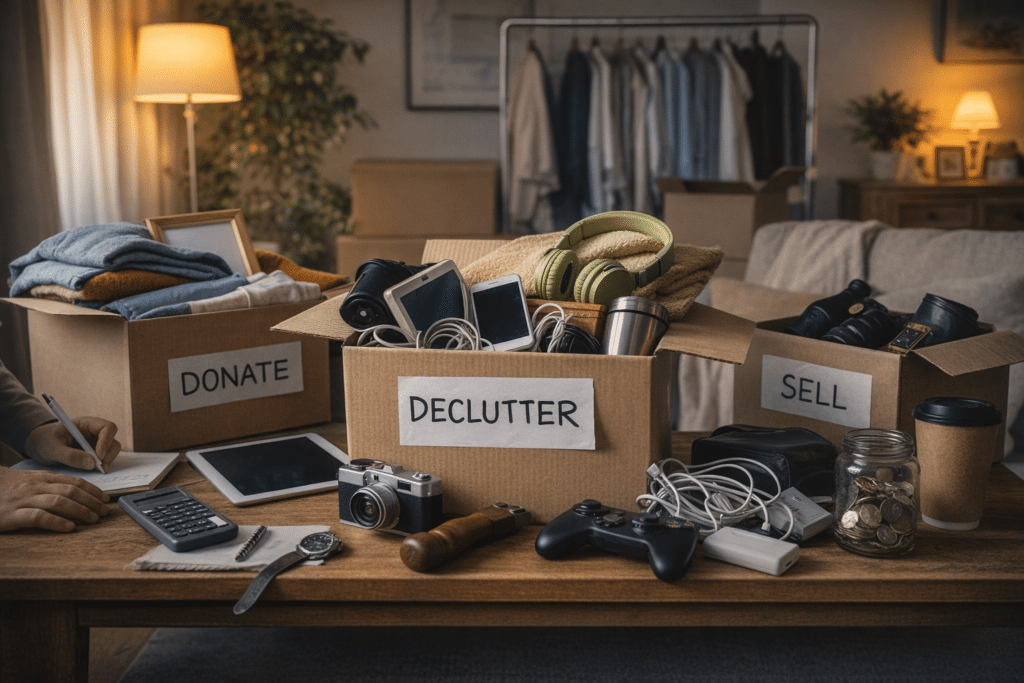
Minimalism is not about deprivation; it’s about removing silent money leaks. Start by getting rid of items that cost you ongoing money, space, or mental energy. Extra kitchen gadgets you rarely use, duplicate chargers, old electronics, unused furniture, and clothes you haven’t worn in a year all quietly drain value. Selling, donating, or recycling them resets your spending mindset and often puts quick cash back in your pocket.
Next, eliminate “just in case” purchases. Bulk items that expire, backup beauty products, and novelty tools almost always go to waste. If something can be bought within 24 hours locally, you don’t need to store it. Fewer items mean fewer future purchases, less cleaning, and lower replacement costs.
Finally, cut emotional clutter. Gifts kept out of guilt, décor that no longer fits your taste, or subscriptions tied to old habits all belong on the exit list. Minimalism works best when it aligns with your current life, not who you were years ago. Letting go creates clarity—and clarity saves money.
Minimalist Shopping Habits
Minimalist shopping starts before you open an app or walk into a store. Use a simple rule: if it doesn’t solve a real problem today, don’t buy it. This single filter kills impulse purchases instantly. Waiting 24–48 hours before checkout reduces unnecessary buys by more than half for most people.
Adopt a “one in, one out” habit. Every time you buy something new—clothes, gadgets, kitchen items—remove one existing item. This keeps your home balanced and forces intentional spending. Over time, you naturally start buying fewer but better-quality items.
Shop with purpose, not boredom. Most overspending happens when scrolling, not when planning. Create short, need-based lists and stick to them. Avoid flash sales unless the item was already planned. Minimalist shoppers don’t chase discounts; they chase value.
Lastly, prioritize reusability and longevity. Items that last longer, can be repaired, or serve multiple purposes reduce repeat spending. Minimalist habits aren’t restrictive—they’re freeing. You spend less, waste less, and keep money available for things that actually improve your life.
Everyday Items Drain Your Wallet Fast
Start with basics you touch daily. Bottled water costs $300 a year for a family of four. A home filter jug lasts years and tastes fresh.
Coffee runs add up quick. One $5 latte five days a week equals $1,300 yearly. Buy beans and a cheap grinder – enjoy better taste for less.
Common Household Goods to Skip
Pre-made meals tempt with ease, but they cost triple homemade. Batch-cook rice, veggies, and chicken once a week. Freeze portions for grab-and-go savings.
Name-brand cleaners promise magic but generics do the job. Vinegar, baking soda, and castile soap tackle 90% of chores for under $20 a year.
Disposable wipes and paper towels clutter landfills and budgets. Cloth rags and mesh bags wash easily – declutter shopping list while saving trees.
Cleaning Swaps That Last
| Item to Stop Buying | Smart Swap | Yearly Savings |
|---|---|---|
| Paper towels | Reusable cloths | $150 |
| Disposable wipes | Cut-up old towels | $100 |
| Fancy detergents | Powder + vinegar | $80 |
| Air fresheners | Open window + baking soda | $50 |
This table shows quick wins. Link up with how to cut grocery bill 30% for meal hacks.
Subscriptions and Services Eating Profits
Skip pricey subscriptions you forget. Streaming services multiply fast – audit and keep only two. Share family plans legally to halve costs.
Gym memberships gather dust for most. Home workouts with free apps or bodyweight moves build strength free. Walk outdoors for cardio.
Magazine apps charge per issue. Use library apps or free online reads – knowledge stays cheap.
Tech and Entertainment Cuts
Magazines and newspapers stack up unread. Digital versions from libraries cost zero. Pair with AI prompts for frugal living on our site.
Cable TV bills soar past $100 monthly. Switch to free antennas or ad-supported streams. Save $1,000 yearly easy.
Clothing and Personal Care Traps
Avoid impulse buys in fashion. Fast clothing lines push trends that fade. Buy quality basics second-hand – apps make it simple.
New makeup every season wastes cash. Drugstore dupes match luxury at 1/10th price. Use samples from stores to test first.
Razors with five blades? Basic ones shave close and last longer. Refills cost less too.
Beauty on a Budget
Nail salon visits add up. At-home kits with polish and files give pro looks for $20 sets. Practice on one hand first.
Hair dye from salons runs $200 per color. Box kits from stores work fine – follow instructions closely.
Grocery and Kitchen Waste
Bottled drinks like soda or juice cost fortunes. Make infused water with fruit slices – healthy and free.
Snack packs lure with portions. Buy bulk nuts or popcorn – divide into bags yourself.
Herbs die fast in pots. Grow basics like basil on windowsills from seeds. Fresh for months.
Check NerdWallet for more trackers.
Food Swaps Table
| Stop Buying | Home Alternative | Savings Per Month |
|---|---|---|
| Snack packs | Bulk + baggies | $30 |
| Fresh herbs | Grow your own | $15 |
| Bagged salads | Chop romaine | $25 |
| Canned soup | Veggie stock base | $20 |
Gadgets and Toys Overload
Kids’ toys break fast. Rotate a small set or borrow from swaps. Imagination fills gaps.
New gadgets yearly? Wait for sales or use cases. Many phones last 4+ years with care.
Printer ink cartridges bankrupt. Refill stations or eco-tanks print cheap.
Home and Office Extras
Decor trends change quick. Thrift unique pieces – charm without cost.
Office supplies like fancy pens? Dollar store basics write fine.
Candles and scents? Essential oils on bulbs freshen naturally.
Long-Term Wins
Frugal living tips build wealth slow. Track spending one month to spot leaks. Apps automate it free.
Everyday expense cuts free up cash for dreams, like EV scooters or AI courses. Families see results in weeks.
Start with three changes today. Your future self thanks you. Explore Consumer Reports for tools.
Smart purchase decisions turn habits into habits. Savings compound like interest.
Frequently Asked Questions
What are the top 3 things to stop buying first?
Start with bottled water, daily coffee shop drinks, and unused subscriptions. These cut $1,000+ yearly with easy home swaps like filters and brewing.
How much can I save with these 21 tips?
Most people save $500–$2,000 per year. Track one month to see everyday expense cuts add up fast through money-saving swaps.
Are these tips good for families?
Yes, batch cooking and bulk buys reduce household waste for all ages. Kids learn frugal living tips while you build budget saving habits.
Disclaimer: This article is for informational purposes only and is not financial advice. Always consider your personal financial situation before making budgeting decisions.