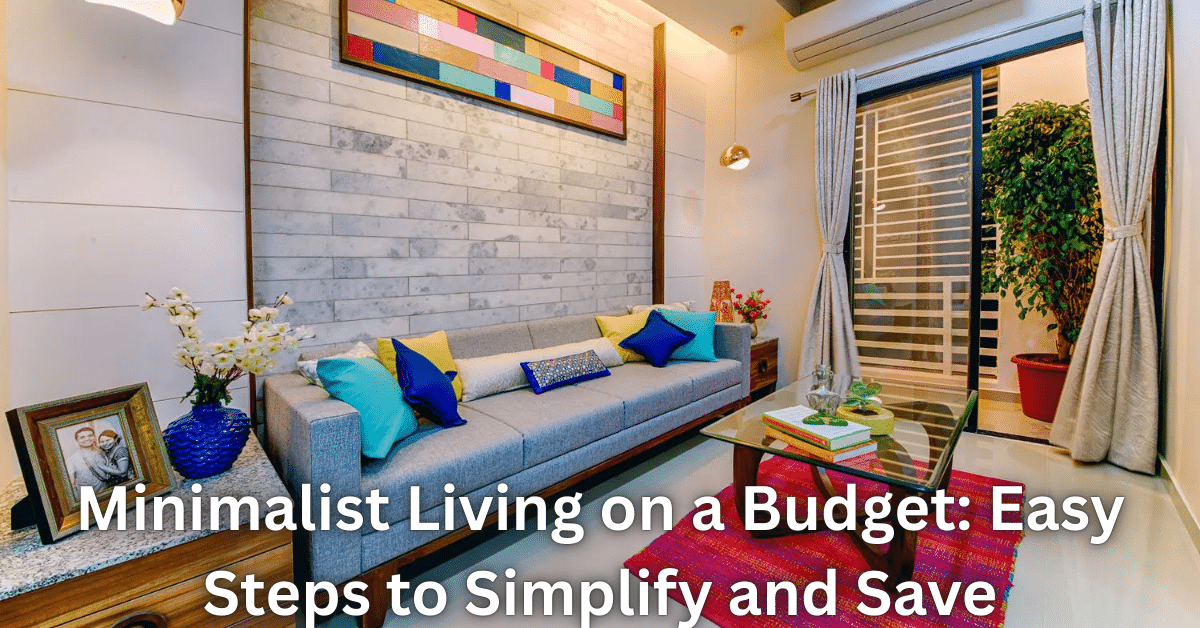
Minimalist living on a budget starts with small changes that cut clutter and costs. It helps you focus on what matters most while keeping your wallet happy.This way of life matters now because rising prices make every penny count. Busy people like you want less stress and more freedom from stuff that piles up. This article shows simple steps, real examples, and tips to make it work for your daily routine
Key Summary
- Cut expenses by owning fewer things you truly need.
- Build a decluttering routine to free up space and time.
- Use frugal habits like cooking at home to save hundreds each month.
- Follow one in one out to stop buying extras.
- Pick multi-functional items that serve many uses.
- Enjoy a calmer mind with intentional buying choices.
Why Minimalist Living on a Budget Works for You
Minimalist living on a budget fits real life, not just dreams. You save on rent by sharing space or picking smaller homes. Food costs drop when you plan meals with basics like rice, veggies, and beans.
Think of a family in a city apartment. They ditched extra furniture for a table that folds. Now they host friends without stress and pocket $100 extra each month.This approach builds save money minimalism. Track spending for one week, and you see leaks like unused subscriptions. Cancel them, and feel the win right away
Start with Your Why
Ask what bugs you most: overflowing closets or impulse buys? Write three goals, like “less laundry time” or “travel fund.” This keeps you going when it’s hard.
Declutter Home Without Spending a Dime
Declutter home is step one in simple living. Pick one spot, like a drawer. Empty it fully, then keep only items used in the last year. Bag the rest for donation or sale.
Do this daily for 15 minutes. A kitchen counter clears fast, making cooking fun. Sell old clothes online for quick cash toward needs.Real people report 20% more free time after a full decluttering routine. No more hunting for keys in mess. Your home feels bigger on the same square feet.
Sort by Joy and Use
Hold each item and ask: Does it spark joy or get weekly use? A multi-tool knife stays; dusty gadgets go. This builds minimalist lifestyle habits that last.
Smart Budget Tips to Stay on Track
Budget tips keep minimalist living on a budget real. List must-haves: rent, food, bills. Aim for 50% of income on needs, 30% wants, 20% savings.Apps help, but paper works too. Note every buy for a month. Coffee runs add up to $50. Switch to home brew, and buy quality beans once.
Frugal families save $300 yearly by meal prepping. Buy in bulk, freeze portions. No waste, no hunger. Link this to save $200 this month for tech boosts.
One In, One Out Rule
Adopt one in one out. Crave new shoes? Donate an old pair first. This stops pile-up and trains intentional buying. Closets stay lean at 30 items.
Pick Multi-Functional Items That Last
Multi-functional items are budget heroes. A sofa bed hosts guests without extra rooms. Ottoman with storage hides blankets neatly.
Shop second-hand sites for deals. A $20 lamp that charges phones beats $100 trendy ones. Quality over quantity means less replace waste.
Users love how this cuts shopping trips. Spend once, use forever. Visit The Minimalists for more on less-is-more thinking.
Kitchen and Wardrobe Wins
Build a capsule wardrobe: 10 shirts, 5 pants, 2 shoes in neutral colors. Mix endless outfits. Kitchen? One pot, blender, cutting board cover 90% meals.
Build Frugal Habits for Long-Term Wins
Frugal habits grow with practice. Walk or bike short trips to skip gas. Library books beat buying. Grow herbs on windowsills for free flavor.
Track wins weekly. Saved $20? Treat to a park picnic. This rewards simple living without backslide. Friends join when they see your calm vibe.
See guides at Becoming Minimalist for daily ideas.
Mindset Shift to Intentional Living
Ditch ads pushing more. Unsubscribe emails, mute shopping channels. Focus energy on hobbies like reading or walks. Joy comes free.
Daily Routine for Lasting Change
Morning: 10-minute tidy. Evening: Plan tomorrow’s buys. Weekly: Review budget. Monthly: Declutter one room.
This routine fits busy schedules. Parents juggle kids yet save for vacations. Singles build emergency funds fast.
Save money minimalism shines here. One reader cut bills 30% in three months.
| Area | Before Minimalism | After Budget Tips | Monthly Savings |
|---|---|---|---|
| Clothing | 20 impulse buys/year | Capsule wardrobe | $150 |
| Food | Eating out 3x/week | Home meals | $200 |
| Home | Extra gadgets | Multi-use items | $100 |
| Total | – | – | $450 |
Wrap-Up: Your Simpler Path Ahead
Minimalist living on a budget frees you from stuff’s weight. Start small, stay steady, and watch savings grow. Less mess means more time for what lights you up.
Frequently Asked Questions
How do I start with no money?
Start by decluttering, which costs nothing. Use items you already own (e.g., using old T-shirts as rags), borrow books from the library instead of buying them, and switch to free entertainment like hiking or visiting parks.
What is a “Capsule Wardrobe”?
A capsule wardrobe consists of a small collection of versatile, high-quality, and matching items of clothing that can be mixed and matched. This reduces decision fatigue and saves money on fast fashion.
How do I handle sentimental items?
Take photos of items to keep the memory without the clutter. You can also gift family heirlooms to family members who will appreciate them
Disclaimer: This article is for informational purposes only and is not financial advice. Always consider your personal financial situation before making budgeting decisions.