Frugal living tips that actually work in 2026 help you save money without feeling deprived. These simple steps fit right into busy lives and tackle rising costs like groceries and bills. Rising prices in 2026 make every dollar count, especially for families and workers. These tips come from real habits that cut waste and boost savings. The rest of this article breaks down 17 proven ways to live smarter and keep more cash in your pocket.
Key Highlights
- Plan meals weekly to shop once and avoid impulse buys.
- Track spending daily with a free app for quick wins.
- Switch to store brands for groceries to save 20-30% right away.
- Do a no-spend week each month to build emergency funds.
- Reuse items at home instead of buying new ones often.
- Cut energy use with small changes like unplugging devices.
- Grow herbs indoors for fresh food without extra cost.
Frugal Living Tips That Actually Work in 2026: Start Here
Living frugal does not mean giving up joy—it means smart choices. In 2026, with inflation still high, these habits help you stay ahead. Families see the biggest gains from grocery and energy savings.
Meal Planning Saves Big on Food
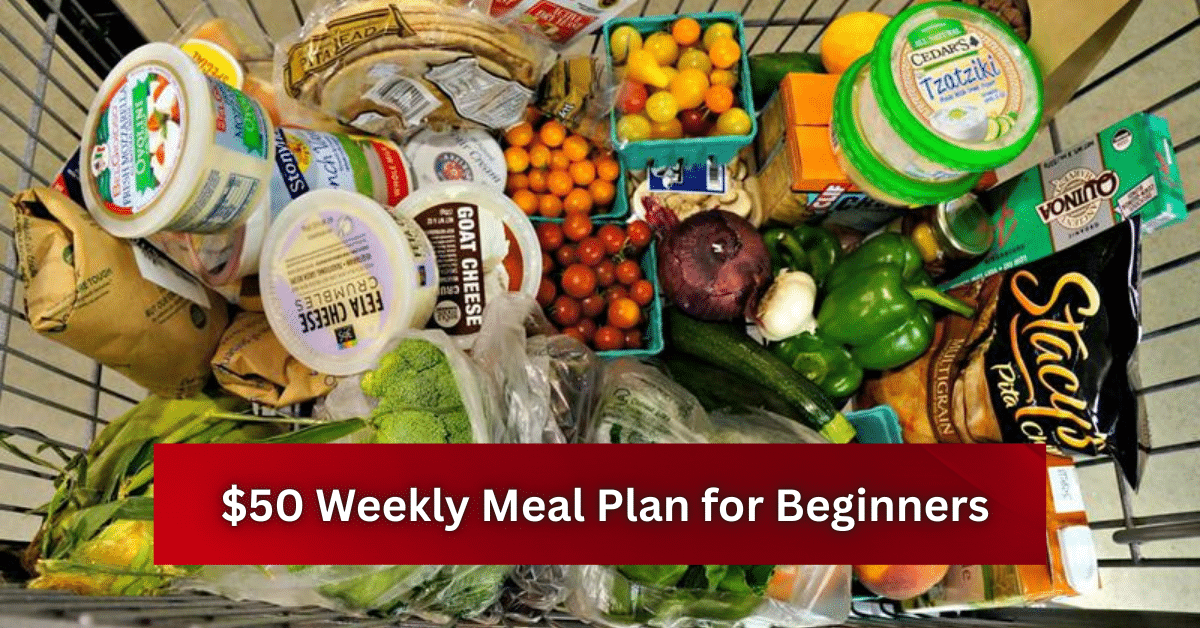
Cook from what you have first. Check your fridge and pantry each Sunday, then make a smart shopping list for just one trip. This cuts grocery costs by up to 25% and stops food waste. One family saved $150 a month by eating pantry staples like rice and beans twice a week.
Use budget friendly meals like sheet-pan dinners or slow-cooker soups. Batch cook on weekends for easy lunches. This habit works for singles too—freeze extras and grab them on busy days.
Track Every Penny Daily
Write down what you spend each day in a notes app. Aim for 13 no-spend days a month to watch savings grow. People who do this add $500 or more to their accounts yearly without big cuts.
Set phone reminders for bills to avoid late fees. This money saving habit keeps you in control and spots leaks like daily coffee runs. Over time, it builds a clear picture of where your cash goes.
Cut Grocery Costs with Easy Swaps
Groceries hit budgets hard in 2026. Smart changes make a real difference without fancy tools.
Shop Smart and Store Right
Buy at discount stores like Aldi for full carts under $150. Use loose produce and skip pre-cut packs. Get reusable silicone bags to store leftovers—they last years and replace plastic ones.
End each month with a pantry clean-out. Cook only from what’s there, buying just milk or bread. This drops your bill 20% and clears space for fresh buys.
Make Soup and Stretch Meals
Soup is cheap and filling. Boil veggies, beans, and scraps for a big pot that lasts days. Add rice for heartier meals. One home chef feeds a family of four for $10 a week this way.
Turn leftovers into new dishes. Fried rice from last night’s veggies or stew from roast bits. Treat them like gold, not trash.
Slash Energy Bills at Home
Reduce energy bills with habits from the past that work now. Small tweaks add up fast.
Unplug and Adjust Habits
Put devices on power strips and flip them off when not in use. This alone cuts $25 off monthly electric bills. Wash clothes in cold water and air-dry to save more.
Switch to LED bulbs if you haven’t—they use 75% less power. In winter, lower the thermostat one degree at night for cozy sleep and lower costs.
Heat Food Smartly
Bake potatoes in a slow cooker for hours on high. A $4 bag feeds days. Use an air fryer for quick meals over takeout—it’s cheaper and healthier.
Smart Shopping Lists and No-Spend Wins
A good list keeps you focused. Clip digital coupons on your phone before store trips. Stores honor them even if not pushed.
Try a no spend challenge. Skip non-essentials for seven days straight. Use the time for hobbies like puzzles at home—fun stays free.
For save money hacks, check proven ideas that fit any budget.
Reuse Daily Items Like a Pro
Reuse daily items to stop buying new. Finish shampoo bottles fully before the next one. Repurpose jars for storage or snacks.
Sell extras on local apps. Old clothes or tools bring in cash without effort. One seller cleared $200 last month this way.
Grow basil or mint on a windowsill. Fresh herbs cut cooking costs and taste better than store packs.
Family Budget Tips for Long-Term Wins
Talk money as a team. Set a shared goal like a family trip fund. Kids learn by helping plan meals or hunts for deals.
Fix small home issues yourself. YouTube guides show how to patch walls or clean drains. Skip repair calls and save hundreds.
Drink loose tea with a strainer over bags. It’s cheaper and skips plastic waste.
DIY Home Fixes Beat Buying New
Sew a button or patch jeans instead of tossing them. Basic tools last years and pay off quick.
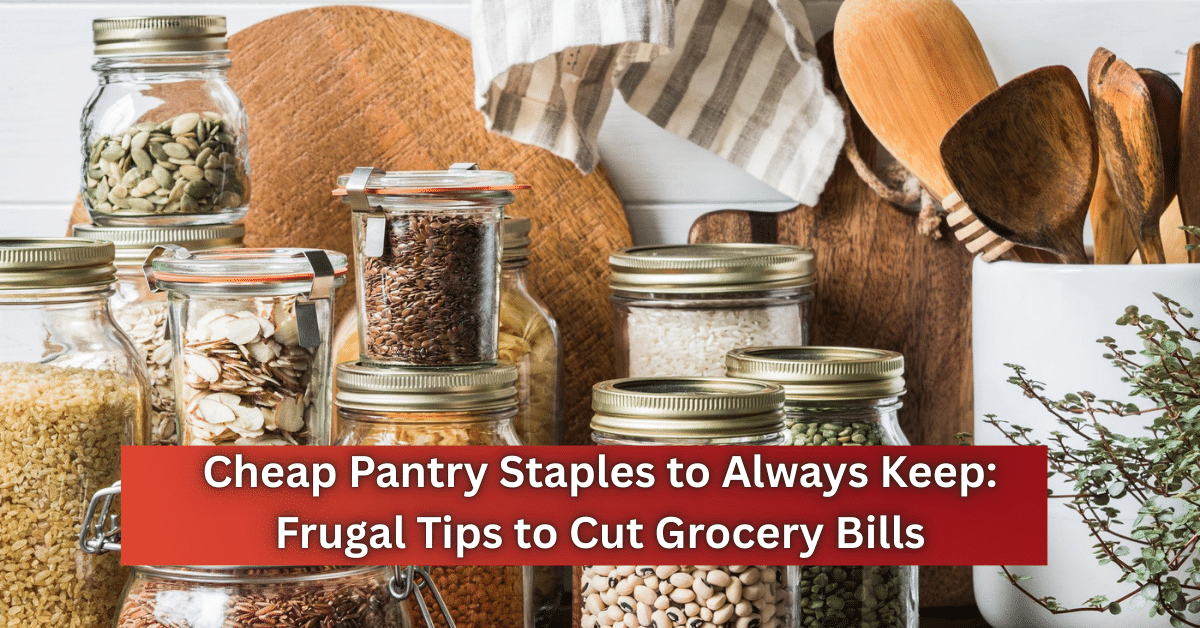
Stock a pantry with rice, beans, and oats. Build meals around them to dodge impulse shops. This old habit keeps you ready always.
Build Sustainable Saving Now
Sustainable saving starts small but grows fast. These 17 tips cut waste across food, home, and habits. Track progress monthly to stay motivated.
In 2026, money saving habits like these help anyone build wealth. Pick three to try this week—you will see cash stack up soon.
Frequently Asked Questions About Frugal Living Tips
What are frugal living tips?
Frugal living tips that actually work in 2026 are simple, proven habits to cut costs on food, bills, and shopping without losing joy. They focus on smart choices like meal planning and reusing items amid rising 2026 prices.
How much can I save with these tips?
Families save $500–$1,500 yearly by cutting grocery costs 25%, reducing energy bills $25 monthly, and doing no spend challenges. Results grow with consistent use of money saving habits.
Do I need special tools or apps?
No—start with paper lists and fridge checks. Free phone notes track spending. For extras, try basic apps, but most tips like DIY home fixes use what you have at home.
This article is for informational purposes only and is not for financial advice.